

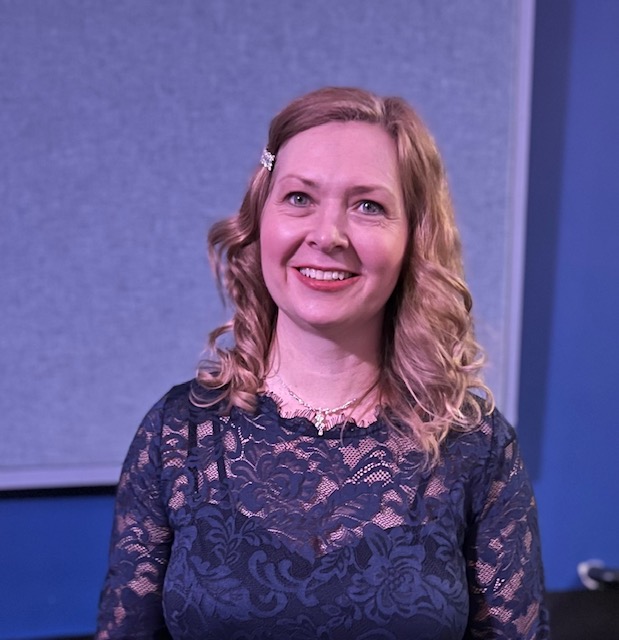
By Michelle Aalders, SRMTA Member
QUESTION: “After taking time off over summer, where do you start with younger students to bring their skills up?”
I really enjoyed thinking about this question because it allowed me to delve more deeply into examining the concepts that we taught our students before they went on summer holidays, or at least the skills that we THOUGHT we taught them. My response is geared more toward piano teachers, but can be applied to other disciplines as well. We should also be patient as the students ease their way back into piano lessons, and their many other activities. It’s OK to give students permission to be tired as they adjust to their new routines, the rhythm of school and resuming their regular practice schedule. Students and teachers return “changed” after the summer. For example, students may have ‘recharged their batteries’ via summer camps, travel, or rest and we may have done the same through professional development and vacation leisure. Many students have also grown physically so we need to adjust for that. Some students will have learned new pieces on their own and want to share those with us right away. How exciting it is to see them light up about something they learned on their own, or even composed over the summer holidays.
Looking ahead to the new year piano pedagogue extraordinaire Marvin Blickenstaff, who has been teaching for over 60 years, reminds us that this is an opportunity to stop and assess and to start afresh. If we are using a method book, we can note the last piece the student learned. There is the temptation to pick up where the student left off, but as many of us know, we need to do lots of reviewing or remedial work since they are rusty. So how do we figure out what should be reviewed other than the trial and error of assigning the “next” piece and seeing how the student deals with it? The instructional books for beginning students have been planned out carefully and the concepts are introduced in a particular order. A lot of the work of choosing repertoire has been done for us, and we will supplement where needed. But before we pick up where we left off we need to diagnose the student’s knowledge.
I started considering that public school teachers have this issue too and so I decided to ask some of my family members who are teachers how they adjust their curriculum and programming when they restart the new school year in September. Some of the key words that came up were “assessment” “evaluation” “concept learning” and “screening”. So how does that apply to us? Imagine if we did a pre-test with our students as a baseline for the new year and assessed what their understanding of musical and pianistic concepts are now? This will also help with the planning of short term goals and the choosing of repertoire or supplemental material. If you are using a method book, take a look at the table of contents and notice all the concepts that are presented in each unit. Make a copy of this table of contents, check pieces off as they are learned, take notes, and use for future planning.
So what if we created a template for screening their music skills? These could be age appropriate and level appropriate. They would also come in handy for transfer students, or even for students we’ve had for a long time whom we know to have deficiencies in certain fundamentals. What if we did a Music Screening in September, and then again in January and then again in May/June? We can involve our students in observing where they were in September and how far they’ve come by June. Recordings of their playing during these times of year could help them see their areas of growth and the skills that they find more challenging. The students can also be involved in the goal setting. Joy Morin has a wonderful resource on her printables page that includes age and level appropriate review tests:
colorinmypiano.com. You can also create your own evaluation based on your goals/methods.
In September what concepts do my younger beginners understand? How many of these items can be checked away from the piano? Here are a few examples that they could do on their bodies to demonstrate their understanding (music optional): Left/Right; Higher/Lower; Finger Numbers; Loud/Soft; Steady Pulse; Fast/Slow; Whole/Half/Quarter/8th Notes. Or at the piano some of the previously mentioned ideas plus: Groups of 2/3 black keys; Skips vs. Steps vs. Repeated Notes; Legato vs. Staccato; 1/2 steps vs. whole steps; Major/Minor ‘5 finger patterns’ and chords.
What are the students weaknesses in the areas of reading, rhythm, technique, musicianship, theory and ear training? What are their strengths? These two investigations will help us choose repertoire and set short term and long term goals. For transfer students I will often assign a “Quick Study” piece to see what the student is able to do without my help. I do not play it for them. They have 1 week to learn it with no help from me. They should be able to come back and play it accurately and hopefully be able to play with my duet or an accompaniment backing track. The piece should be much easier than their current level. If they’ve practiced it sufficiently and it is still too hard for them, then I need to think about what wasn’t working (e.g. rhythm, note reading) and then assign an easier piece based on what I know to be secure for this student. I am discovering that progress can be very slow in the RCM elementary level if the reading foundations in the method books have been gone through too quickly. We are often in a hurry to get through these instructional books, but if the student has not mastered a lot of the rhythm and reading concepts, then the student often gets ‘stuck’ on their piece(s), frustrated, and reluctant to practice.
One aspect to consider in aiding their reading is the use of keyboard topography to reinforce the steps vs. skips vs, repeated notes. (And larger intervals later on). Can the student hear the difference between them? Using “5 finger positions” check on the student’s understanding of stepping up/down/repeating starting on various fingers, but don’t permit them to look at their fingers. (Add 4ths & 5ths when ready). Ask the student to close their eyes, or cover up their hand with a piano book. Once they can trust their fingers to find the keys without looking down, then they will read more fluently. Next, move to steps/ skips and repeated notes using flashcards or method books containing a reduced staff (two lines only and no clefs), or a 5 line/4 space staff with no clef. I would recommend The Music Tree by Frances Clark & Louise Goss and The Sight Reading Drill Book by Barbara Siemens. The second resource includes melodic patterns, harmonic intervals, triads and chords preparatory level and up. Whatever method book you use, it is essential that the newer concepts are understood before introducing additional ones. There should be “pre-teaching” of new rhythms, landmarks, intervals, dynamics, etc. before they see the symbol for it. Have they experienced it in their bodies, or have they heard the sound first? I had the privilege of studying with Frances Clark and one philosophy that she always reinforced with us was that we need to “Teach from the Known to the Unknown.” I think our responsibility in that first lesson back is to assess what is really known to the student, and to help them relearn the things they’ve forgotten before teaching the next new ideas.
For introducing new pieces, consider choosing one piece that is easier than where they left off, or even a rote piece. For pieces that you want them to read, start with the sound first, either playing the piece for them at the piano, or a recording of the piece. Let them try to swing their arm across the front of their body as you both say the words to the piece or speak the rhythm using whatever system works for you. Have the student use the bench as their desk and while listening to the recording on repeat, ask them to mark the skips (3rds only) as they subliminally learn what the piece is supposed to sound like. The music stops when they are finished and the teacher checks it. Ask lots of questions before they touch the keys. What do they understand already? Can they point and say the rhythm, tap and say the hands or rhythm, play and count or say the rhythm or say the words? Do they understand the position or the key? Consider pointing to the music as the student reads (remember to point above the notes as not to obstruct the music with your hand). How much are they looking down at their hands? Observe how they are tracking left to right.
I find the old Four Star books by Boris Berlin have added value since they ask the student to name the first note, the number of notes, and the direction of the notes. It also suggests that the teacher ask the student to put a specific finger on a specific key and then without looking at the keyboard, play up or down a certain interval (within a “5-finger pattern”). Can the student name the 2nd note without looking down? You could also use the app Note Rush and keep track of their current times for each level and their progress. I often have contests with my students to see who can be the fastest in their group/level, but the more important goal is to beat their own times. Note Rush Challenge sheets are available in the downloads section of Joy Morin’s: colorinmypiano.com. There are also timed sight-reading sheets available through www.teachpianotoday.com
And then of course we need to review proper technique. It’s a great time to get out those tools and toys that we used in their first lessons, or sing those songs that help them remember how to make a good piano hand or the proper use of their arm. What are the things important to you for good technique? Perhaps you are evaluating if your student can play without collapsed finger joints, or without dropping the wrist too low? Are they playing with fingers only, or do they understand how to engage the arm to produce a good tone? How is their posture? Do they have something to put their feet on to allow them to feel grounded and are able to move their body freely? Do they have an adjustable piano bench to aid in having their arms at the right height? Are they sitting at a good distance from the piano, and do they know how to adjust that by themselves at home and in public? Does the student have access to a pedal extender? What equipment do they have at home if any?
And the student can also do a self assessment. What are their goals? What do they want to achieve? What do they think their strengths and challenges are? What are their interests? Can we do an interest inventory? Get the parents involved. Once we know our students’ interests better, we can dangle that carrot and use it in teaching those areas that may be weaknesses, but also build up their strengths.
So this year, instead of being upset that our students seemed to have forgotten so much over the summer, we can look at which seeds took root and which musical ideas need to be replanted, watered and nourished in the coming year.