

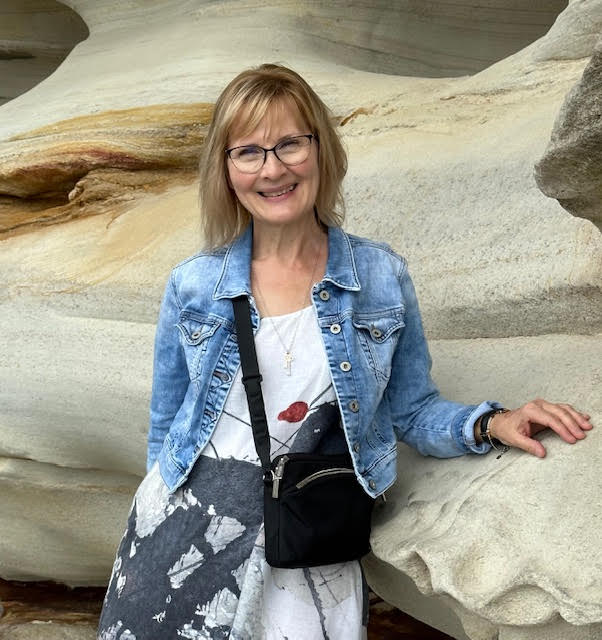
By Dianne Gryba, SRMTA Member
Dianne is a musician and teacher residing in North Battleford. She is a member of the SMFA board.
Question: On p.73 of the Saskatchewan Music Festival Syllabus (under Piano) it states: 20th or 21st Century Music Classes “The following classes are intended for selections from works in the modern idiom. Selections from “Popular Music” repertoire lists are not allowed.” Can you please define what the intended genre is and what popular works would be appropriate for the modern idiom?
Answer: The border between the “classical” stream of modern/contemporary music that we might hear at a concert and music influenced by jazz, pop, folk and world music that accompanies our everyday lives is blurred and perhaps disappearing altogether.
In that light, here is a clarification of the rubric for the Modern/Contemporary piano solo classes in the SMFA syllabus:
Piano Solo, 20th or 21st Century Music (Classes 20318 – 20333)
The following classes are intended for original compositions for piano solo written in the Modern/Contemporary Idiom. This does not include transcriptions, arrangements or abridged versions of music from this era. Modern/Contemporary compositions have their roots in the classical traditions of Western art music but could also be influenced by jazz, pop, rock or folk music. For example, pieces by composers like Alexina Louie, Violet Archer, Dmitri Kabalevsky, Robert Starer and Christos Tsitsaros seem to stem from the classical tradition, while other composers like Christopher Norton, Mike Springer, Robert Vandall and Martha Mier often use jazz and pop elements as the foundation in their pieces. Many composers of the 20th and 21st century demonstrate a mixture of these influences in their work. 20th/21st Century piano solo classes are a showcase for this rich and interesting variety of styles.
Note that Christopher Norton has now lived in our country long enough to be considered a Canadian composer.
———
Thank you Diane!
Additional information on idioms:
20th/21st Century Music may also include any compositional techniques beyond the traditional classical, romantic or jazz styles.
-harmonic structure beyond tonal writing
-uncommon meters and/or changing meters
-polyrhythms and polytonality
-extended techniques for the instrument/voice
-addition of sound effects
-chance music and performer input into performance structure